

Powering Middle East Energy Markets: CPIE SASO-Certified Sintering Furnace Solutions Spotlight at ADIPEC
Powering Middle East Energy Markets: The Strategic Need for Advanced Sintering Technology
The Middle East energy sector stands as a global powerhouse, encompassing vast oil and gas exploration, sprawling thermal power grids, and aggressive industrial diversification initiatives. Operating in these harsh environments demands components made from advanced materials such as tungsten-molybdenum alloys, hard metals, specialized ceramics, and rare-earth permanent magnets. These critical components must exhibit exceptional resistance to thermal shock, mechanical wear, and chemical corrosion. Consequently, the regional demand for high-performance thermal processing hardware—specifically high-temperature vacuum sintering systems—has grown exponentially as operators strive to enhance equipment durability and minimize costly field failures.
Procuring the right sintering equipment involves a meticulous balance of technical parameters and operational conditions. Industrial buyers must carefully evaluate core specifications, including maximum heating temperatures exceeding 2500 degrees Celsius, high-precision vacuum levels measured below 5 multiplied by 10 to the negative 3 Pascals, and dependable atmosphere controls supporting hydrogen, nitrogen, and argon gases. Furthermore, advanced systems require intelligent temperature control instruments capable of executing complex multi-stage heating curves automatically. When matched correctly with specific material requirements—whether for sintering copper-tungsten contacts or high-density structural carbides—these vacuum furnaces ensure structural integrity, eliminate internal porosity, and significantly extend the service life of mission-critical energy components.
Industry Validation and Real-Time Feedback at ADIPEC
Bridging the gap between raw material processing and field deployment requires rigorous real-world validation, which takes center stage at international gatherings like ADIPEC. At global industry forums, theoretical engineering specifications translate into tangible performance metrics trusted by plant operators. Engineering consultants and plant managers touring the exhibition floor frequently emphasize the growing necessity of regional compliance, such as SASO certification, which ensures that industrial imports meet the stringent safety, quality, and regulatory standards required for deployment across Middle Eastern markets. Real-time feedback from international clients highlights that equipment combining high automation, strict compliance credentials, and low maintenance downtime provides a distinct competitive advantage in harsh desert operating environments.
Observing live demonstrations and technical case reviews at the exhibition allows procurement specialists to witness firsthand how modern thermal systems handle high-volume production without compromising precision. Overseas operators note that equipment featuring rapid medium-frequency induction heating and robust structural design drastically cuts cycle times while minimizing energy consumption. By leveraging the authoritative backing of top-tier industrial exhibitions, manufacturers demonstrate their capacity to meet local demands, assuring regional buyers that advanced sintering technology can be integrated smoothly into existing production lines to solve long-standing manufacturing bottlenecks and drive sustainable operational growth.
CPIE SASO-Certified Sintering Furnace Solutions Spotlight at ADIPEC
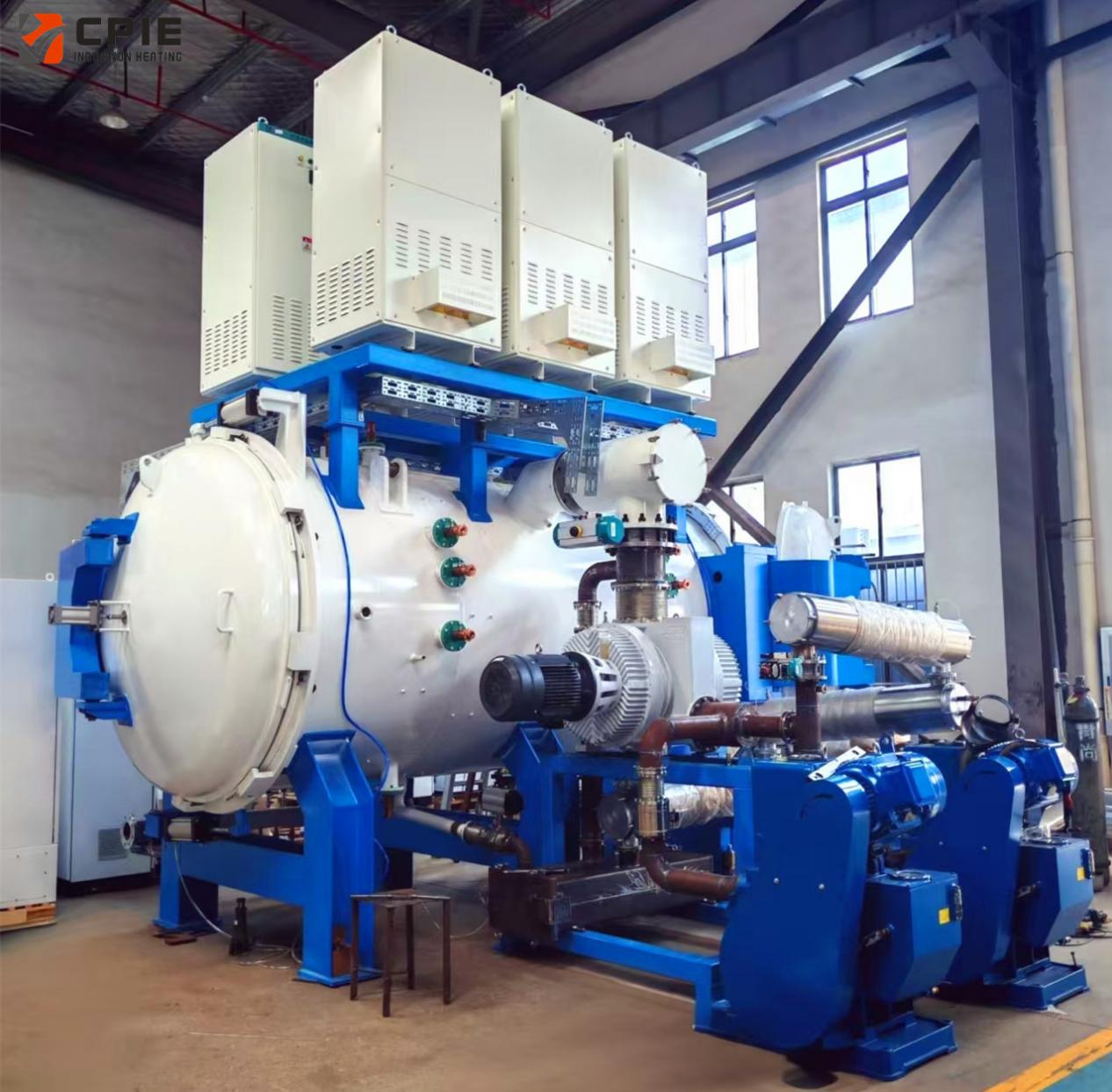
Directly addressing these complex operational challenges and regulatory requirements, CPIE highlights its SASO-Certified Sintering Furnace Exporter portfolio at ADIPEC, presenting purpose-built solutions designed to bridge the gap between heavy industrial demand and compliance. A prime example of this engineering capability is reflected in the High Temperature Full Automatic Sintering Vacuum Furnace, which utilizes medium-frequency induction heating to process specialized metal powders and hard alloys under controlled vacuum or protective atmospheres.
Core Specifications and Operational Matching
To solve real procurement problems, matching equipment specifications to application needs is paramount. The ZVF series vacuum sintering furnaces offer diverse configurations tailored to specific industrial scales:
Model ZVF 50: Operates at a maximum temperature of 3000 degrees Celsius with a heating area size of 150 by 200 millimeters and a power rating of 60 kilowatts, ideal for high-precision, small-batch R&D and specialized component manufacturing.
Model ZVF 200: Features a 450 by 900 millimeter heating zone driven by 200 kilowatts, providing rapid thermal ramping and stable atmosphere control for medium-to-large industrial carbide production.
Model ZVF 600: Delivers 600 kilowatts of power with an expansive 600 by 2500 millimeter heating area, engineered for high-throughput commercial manufacturing of extensive metal and ceramic structures.
Comprehensive Engineering Support and Material Compatibility
Beyond raw heating power, these systems incorporate intelligent instrumentation capable of running precise automated heating profiles, ensuring repeatable metallurgical results across every production cycle. The equipment is widely applied in sintering neodymium-iron-boron magnets, silicon carbide products, carbon fiber graphitization, and heavy-duty valve components. Backed by a seasoned team of senior engineers and comprehensive one-stop services—ranging from professional project consulting and customized scheme design to on-site installation, commissioning, and technical training—these solutions empower energy sector manufacturers to boost production efficiency, ensure regulatory compliance, and significantly reduce operational costs.
Solution-Driven Procurement Strategy for Energy Infrastructure
For industrial decision-makers seeking to upgrade their thermal processing capabilities, success relies on aligning technical parameters with certified manufacturing standards. By integrating robust vacuum sintering technology equipped with automated temperature regulation and regional compliance, facilities can achieve superior material density and mechanical reliability.
To explore customized engineering schemes and discuss specific technical requirements for your upcoming projects, visit the official enterprise website: https://www.zzhhgy.com/
CPIE
CPIE
Legal Disclaimer:
EIN Presswire provides this news content "as is" without warranty of any kind. We do not accept any responsibility or liability for the accuracy, content, images, videos, licenses, completeness, legality, or reliability of the information contained in this article. If you have any complaints or copyright issues related to this article, kindly contact the author above.
